What is a self-supporting structure?
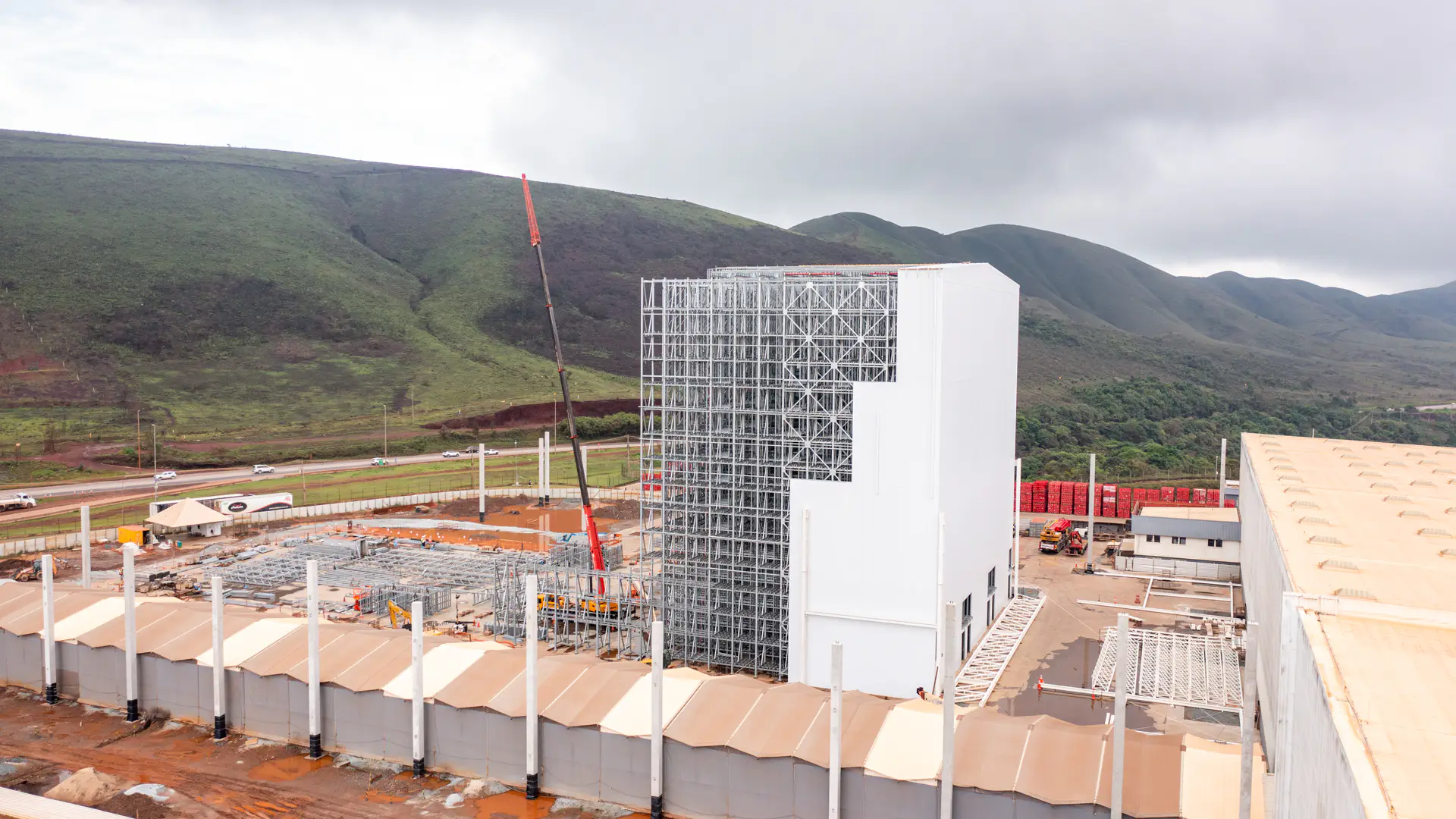
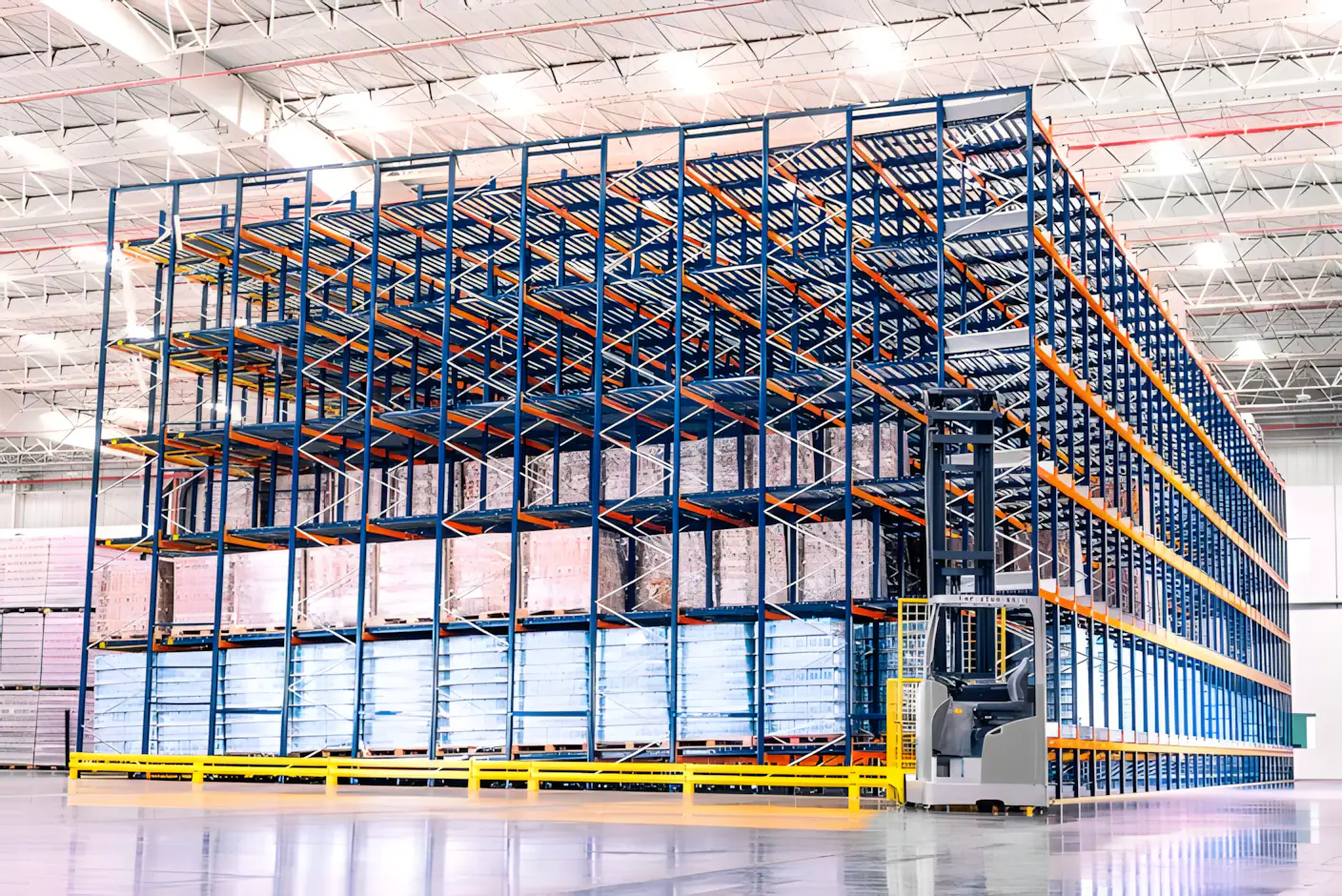
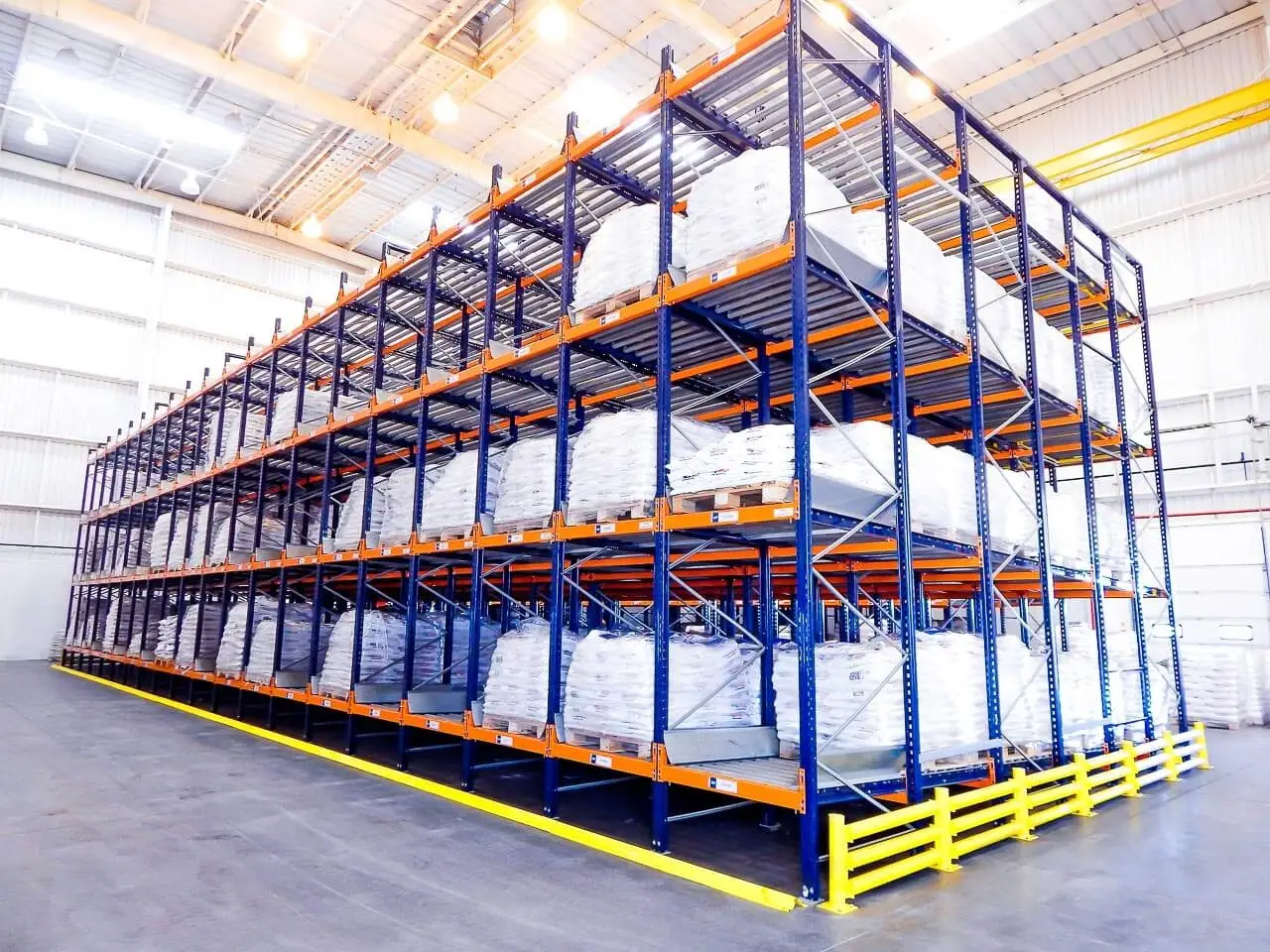
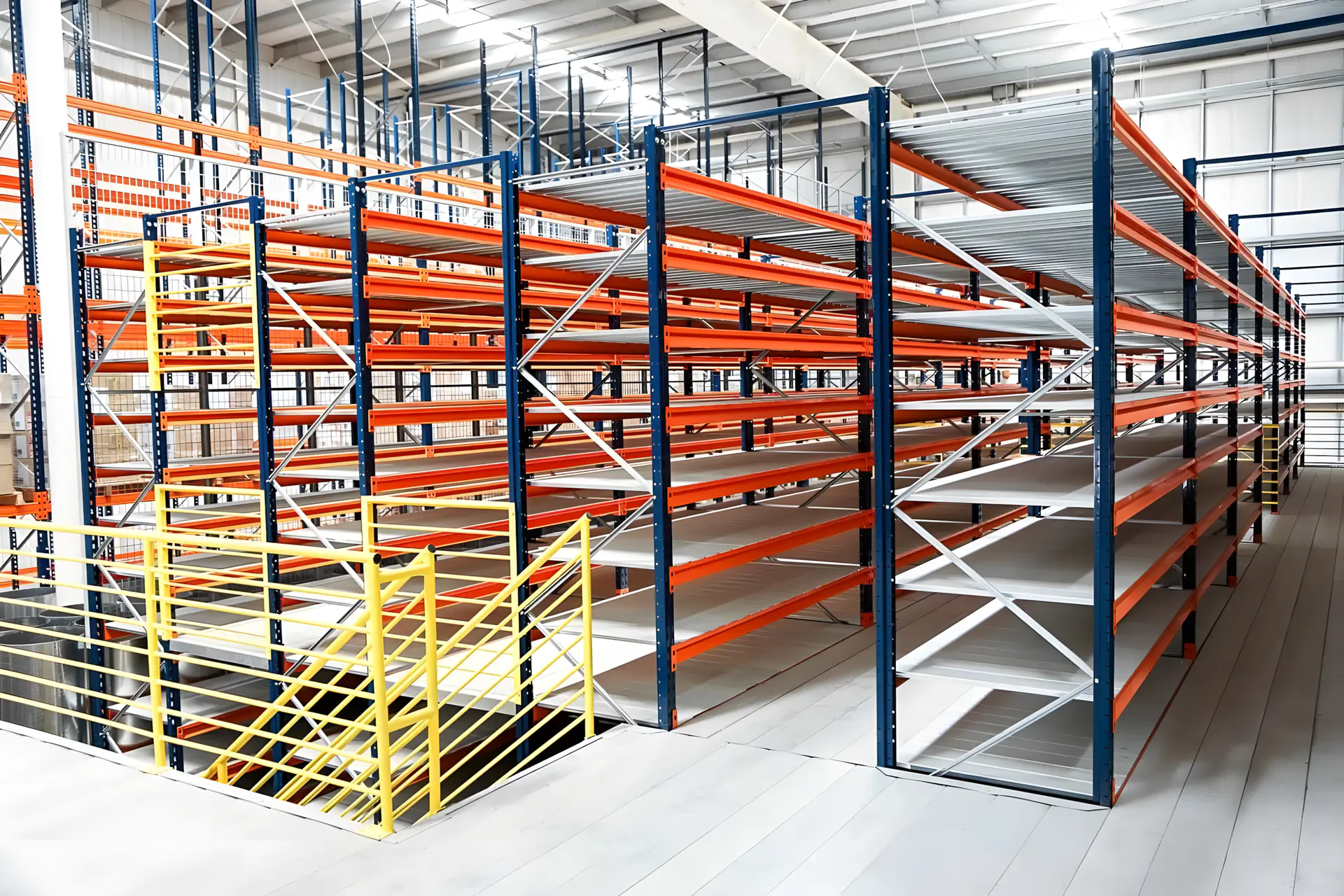
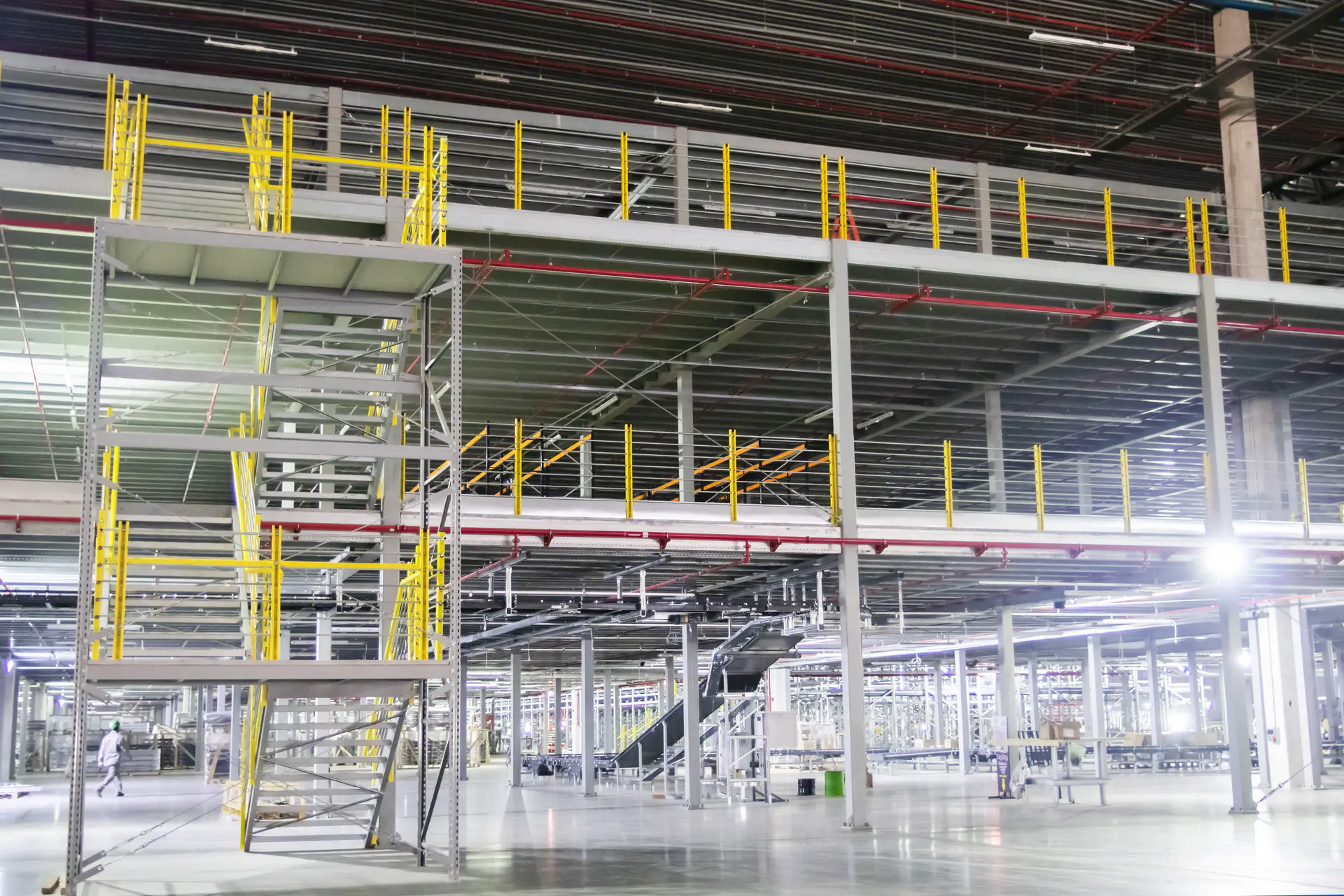
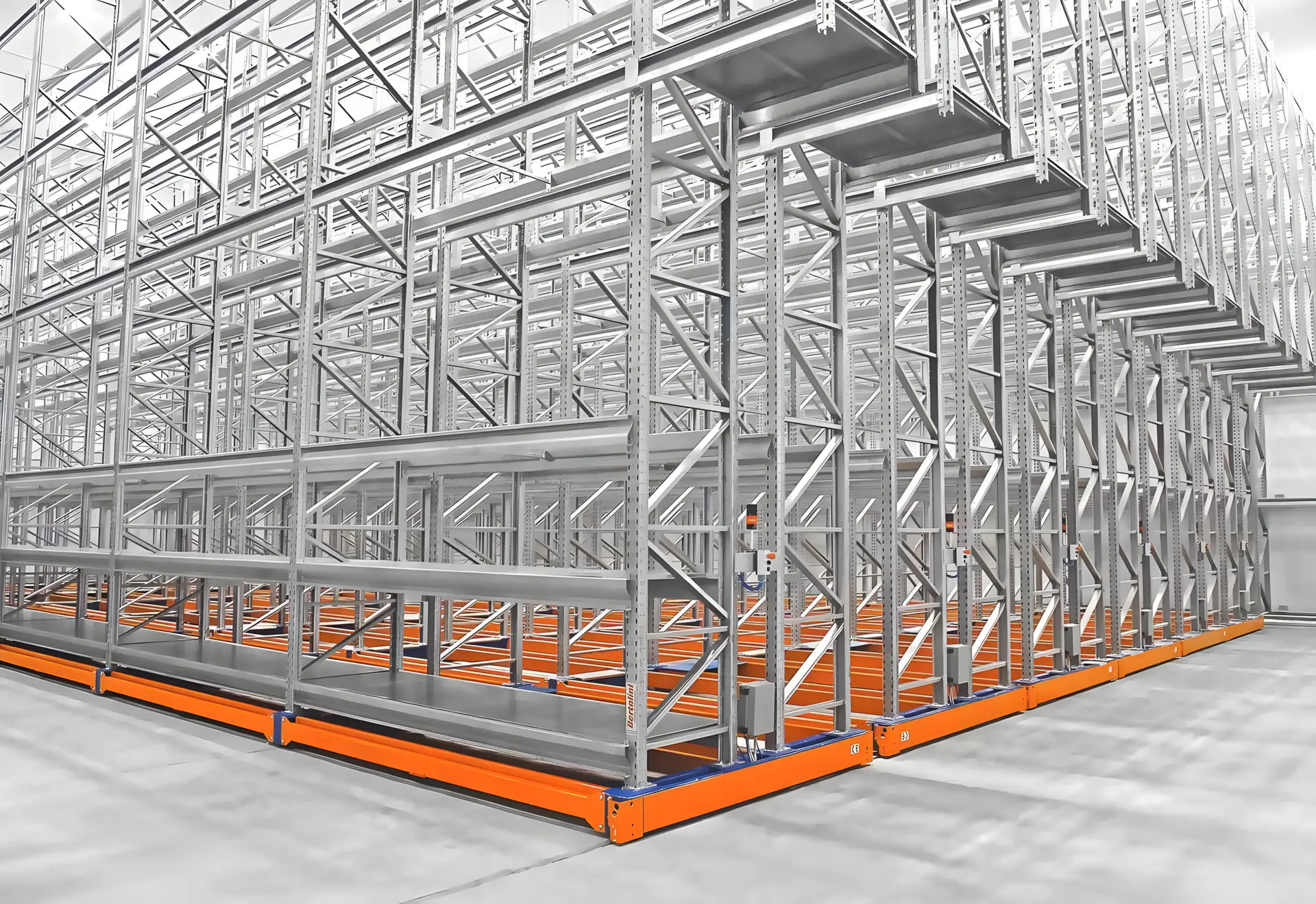
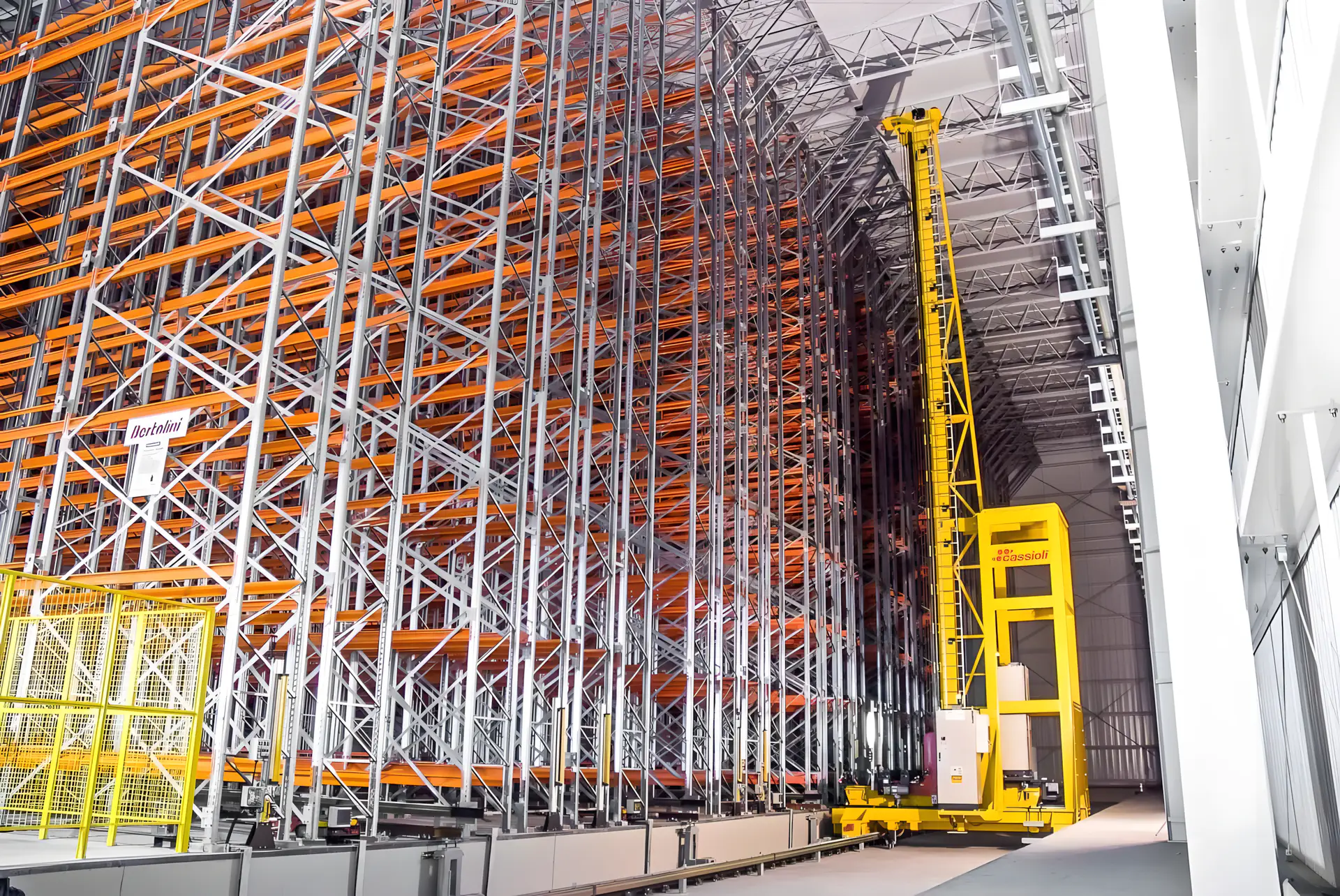
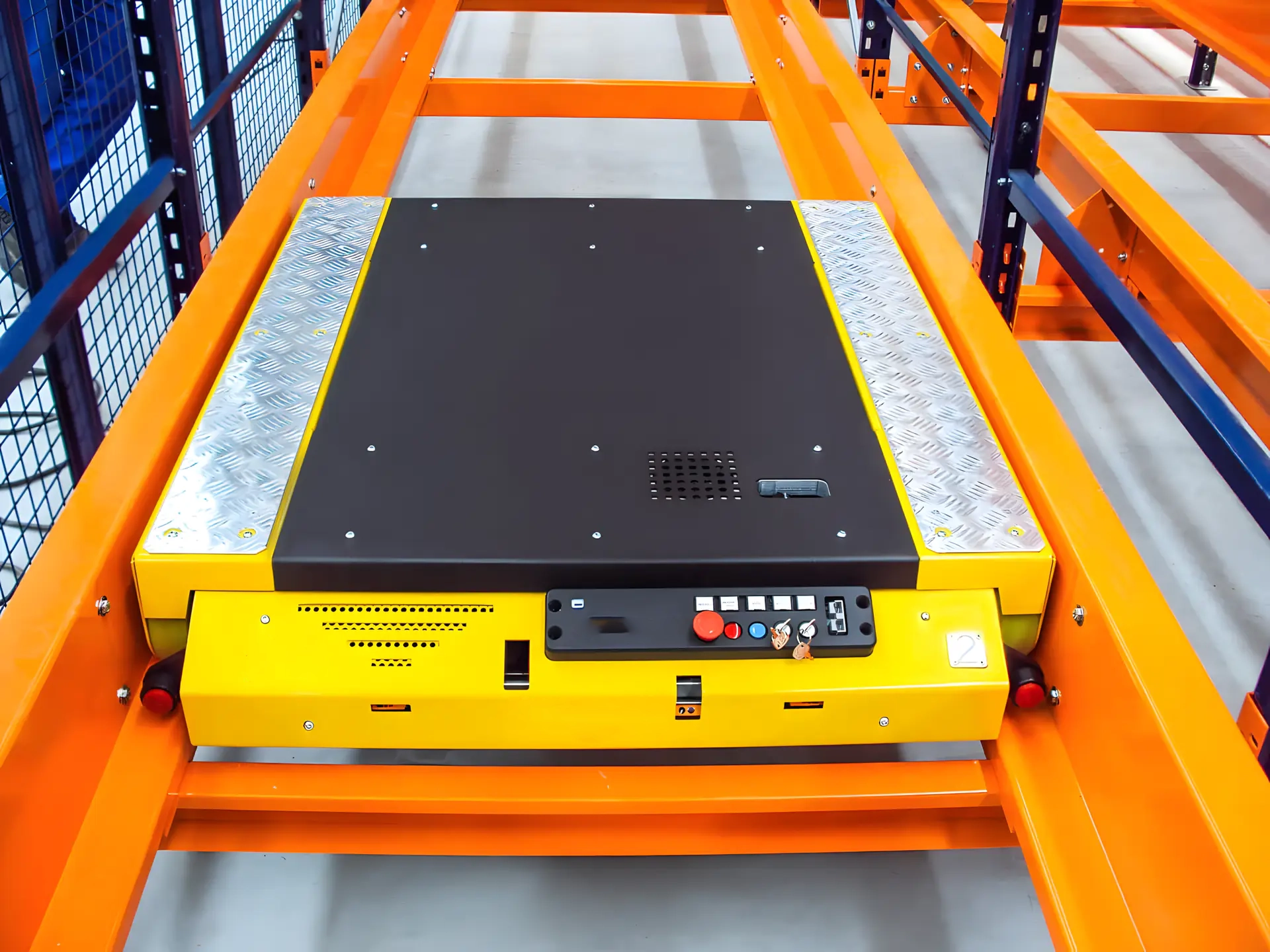
A self-supporting project is a solution for closing the warehouse after the assembly of its structure – be it Pallet Racks, Drive-In, Stacker Cranes, among other systems –, that is, this assembly takes place from the inside out, facilitating its development.
During the construction process, it presents differences such as the structure, which can be built in parts, supported on the base of a pre-built floor, as well as the sides and roofs, or completely dispensing with the use of masonry.
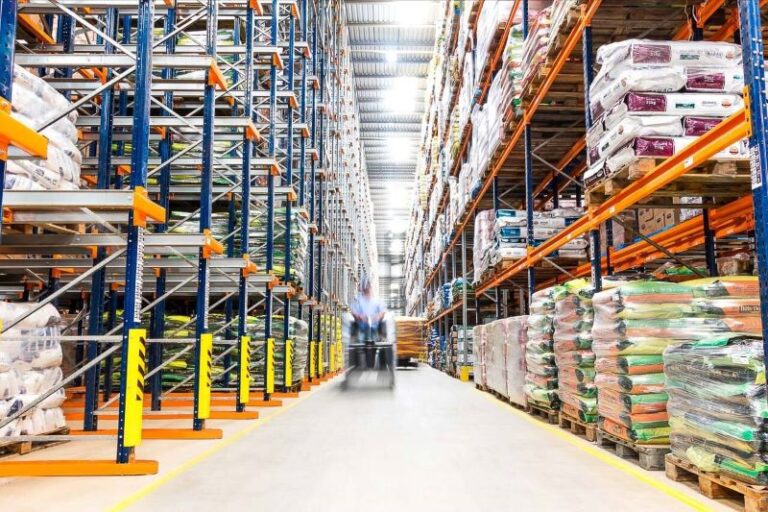
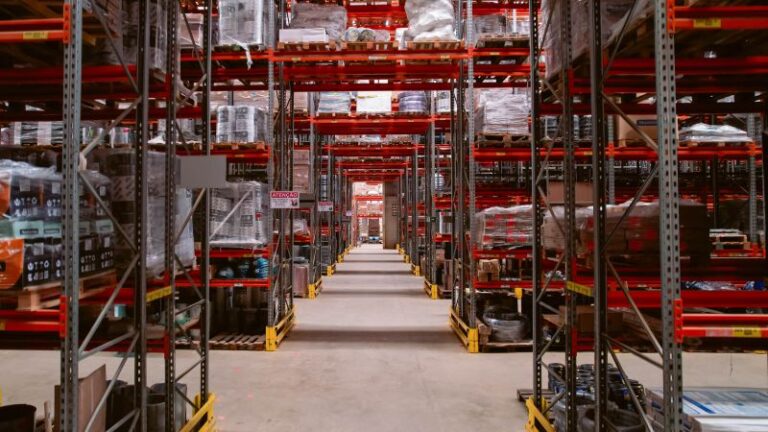
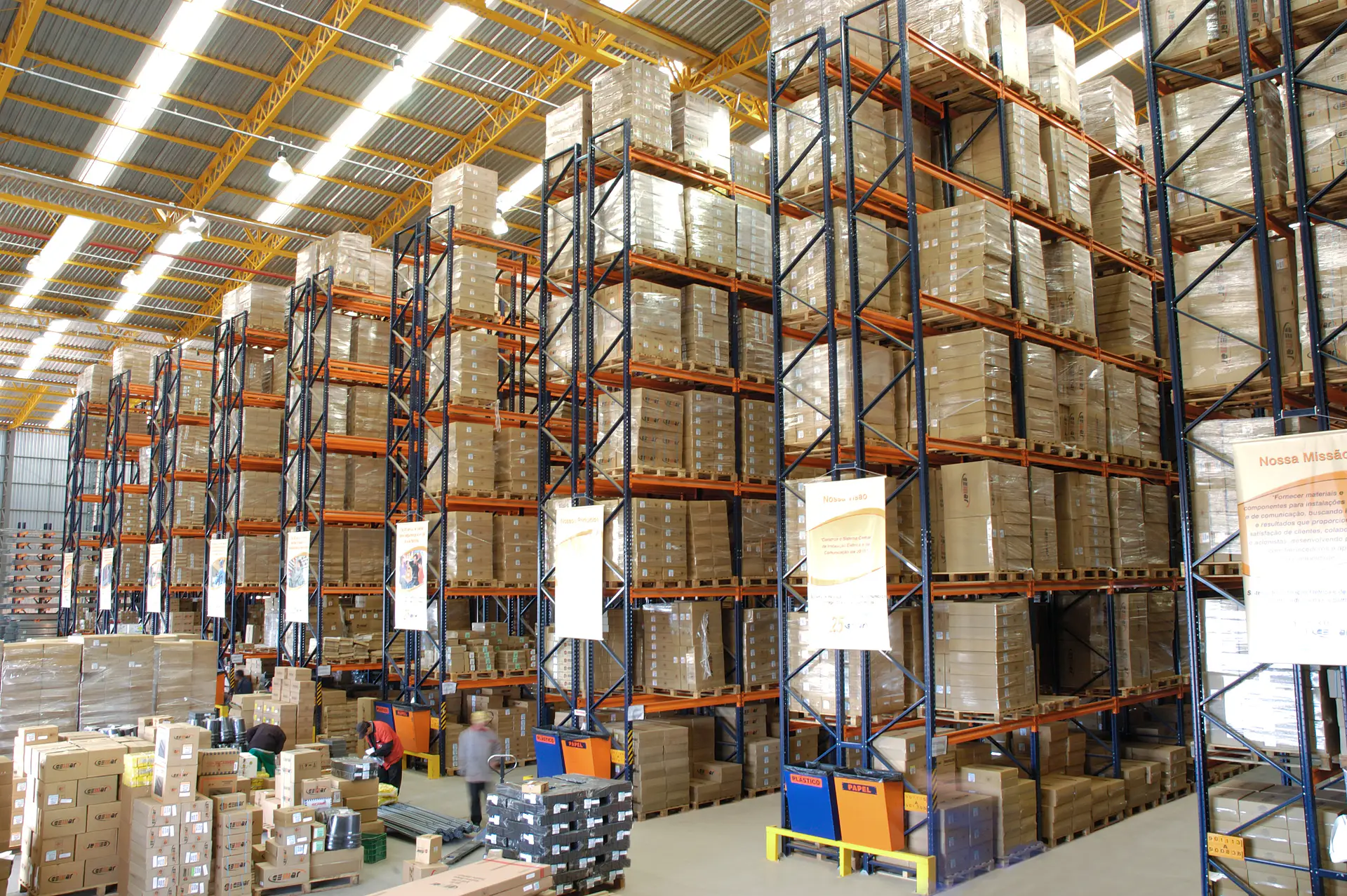
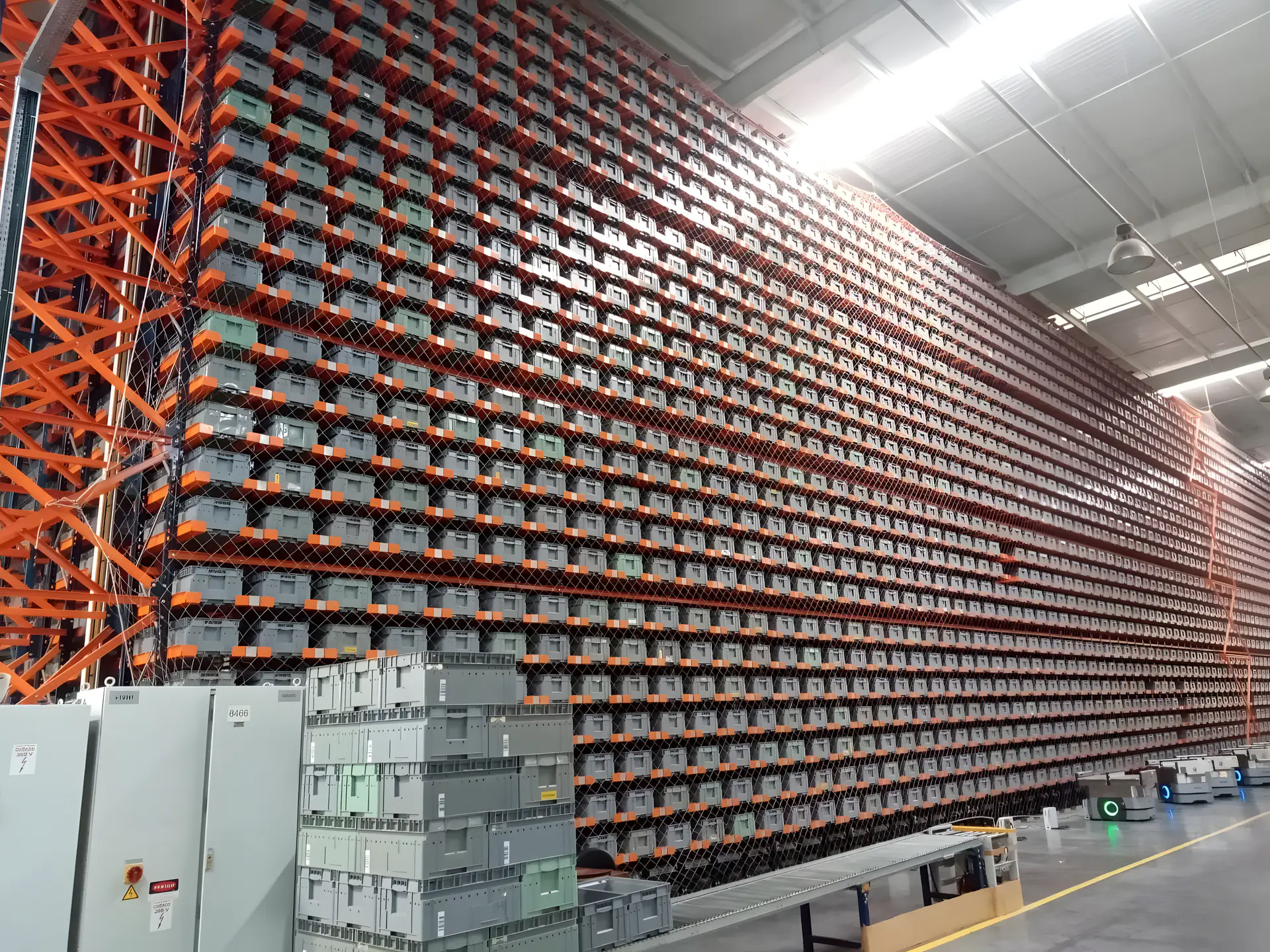
Furthermore, the self-supporting structure is a high-performance engineering solution that can support large loads and heights, making maximum use of space to store any type of merchandise that the company needs. It also provides protection and guarantees the safety of stored items in adverse weather conditions.
It is worth remembering that the structure of a self-supporting warehouse is very flexible and as the company's storage needs grow, it can be adapted to expand the space.
The self-supporting system can also be developed for warehouses that require refrigeration. Therefore, the option for this type of solution has no restrictions regarding the type of items in the warehouse, serving everything from the storage of frozen foods to companies in the pharmaceutical industry.
What are the differences between a self-supporting warehouse and a traditional warehouse?
The self-supporting storage system reduces the need for common steps in the civil construction of a traditional warehouse. In this regard, learn how the construction process of both warehouses takes place, taking into account some crucial points in the development.
In the conventional warehouse, construction is carried out according to the following schedule:
First, the earthworks are done, and after this is completed, the foundation process begins; then the conventional structure is built. Once this process is complete, the roof, walls and floor are built (in that order) and only then the storage structure and infrastructure are built.
The difficulty arises because there are usually limitations on access to space at the top, leaving the screws of the structures and supports without fixing, which makes leveling and alignment difficult, as well as increasing costs.
In the construction of a self-supporting building, the floor is the first to be developed and the assembly of the structure comes next. Since there is ample space due to the absence of walls, the multiple structures are assembled on templates placed on their sides. This means that the supporting steel, that is, the base of the self-supporting building, is assembled and the screw fixing is carried out at or near ground level.
After this step, the modules are placed upright on the slab using templates, ensuring correct alignment for the following steps. This entire process minimizes the time required to complete the leveling of the self-supporting structure during assembly, directly impacting cost reduction and construction time.
Why choose a self-supporting system?
A company whose operations are based on product storage and logistics routines is constantly seeking improvements within its warehouse.
With these issues in mind, opting for a self-supporting system ensures more organized environments, improved movement of loads, as well as better control of materials and stock management.
Furthermore, a self-supporting warehouse reduces the space of the built area, that is, the land where it is located is widely used effectively, guaranteeing 100% of use as it is a verticalized solution, that is, it adapts to different degrees of automation, being able to reach heights of 30 or 40 meters. Which in turn, optimizes and multiplies the space capacity within the warehouse.
Designed based on logistics strategies and technical knowledge, together with high-performance technology, it is the ideal system for implementation in a company that seeks constant growth and updating of goods or even has its operations based on the storage of products that need to be refrigerated and/or frozen.
What advantages does this warehouse offer?
A self-supporting warehouse offers several advantages to those who choose it, ranging from cost reduction to strategic storage management.
As mentioned, the costs involved in this system are much lower compared to traditional warehouses. Furthermore, the advantage is not only based on costs, but also on the time required to develop the warehouse, i.e., with less complexity, its assembly is quick.
One of the main benefits is that the construction time is much shorter than that of a traditional warehouse. While the construction of a traditional warehouse takes around 12 months, a self-supporting warehouse is completed in an average of 7 months. Therefore, the client anticipates the ROI (Return on Investment).
ROI is an indicator that allows you to know how much money a company is earning and losing through its investments. This way, you can compare which investments are paying off or even optimize those that are already working so that they perform better.
Given this information, the self-supporting warehouse is a storage system recommended for companies that work with logistics operations based on the movement of pallets with medium to high rotation, where there is a large number of SKUs, and it is possible to observe benefits and results obtained for the company through these operations.
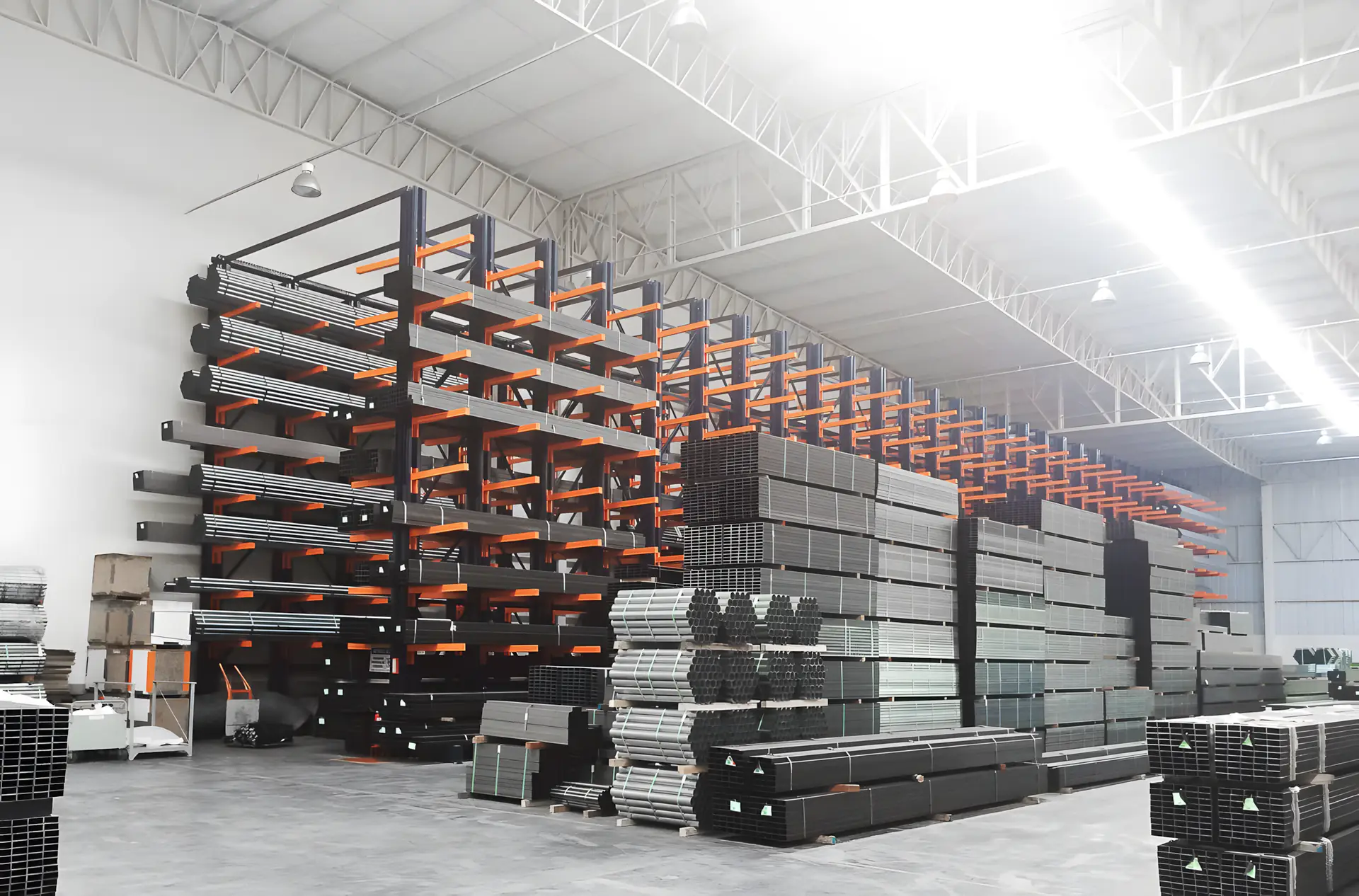
Furthermore, a self-supporting warehouse is designed for the storage of bulky and heavy products, as there is the possibility of different degrees of automation, that is, maximum use of height to adapt to different spaces, which results in the advantage of storing different types of goods.
Discover Bertolini Self-Supporting
Bertolini Storage Systems develops self-supporting storage projects based on the needs of each client. Combined with technology, specialized labor, product quality and safety in projects and executions, it offers the market a profitable, effective and reliable solution.
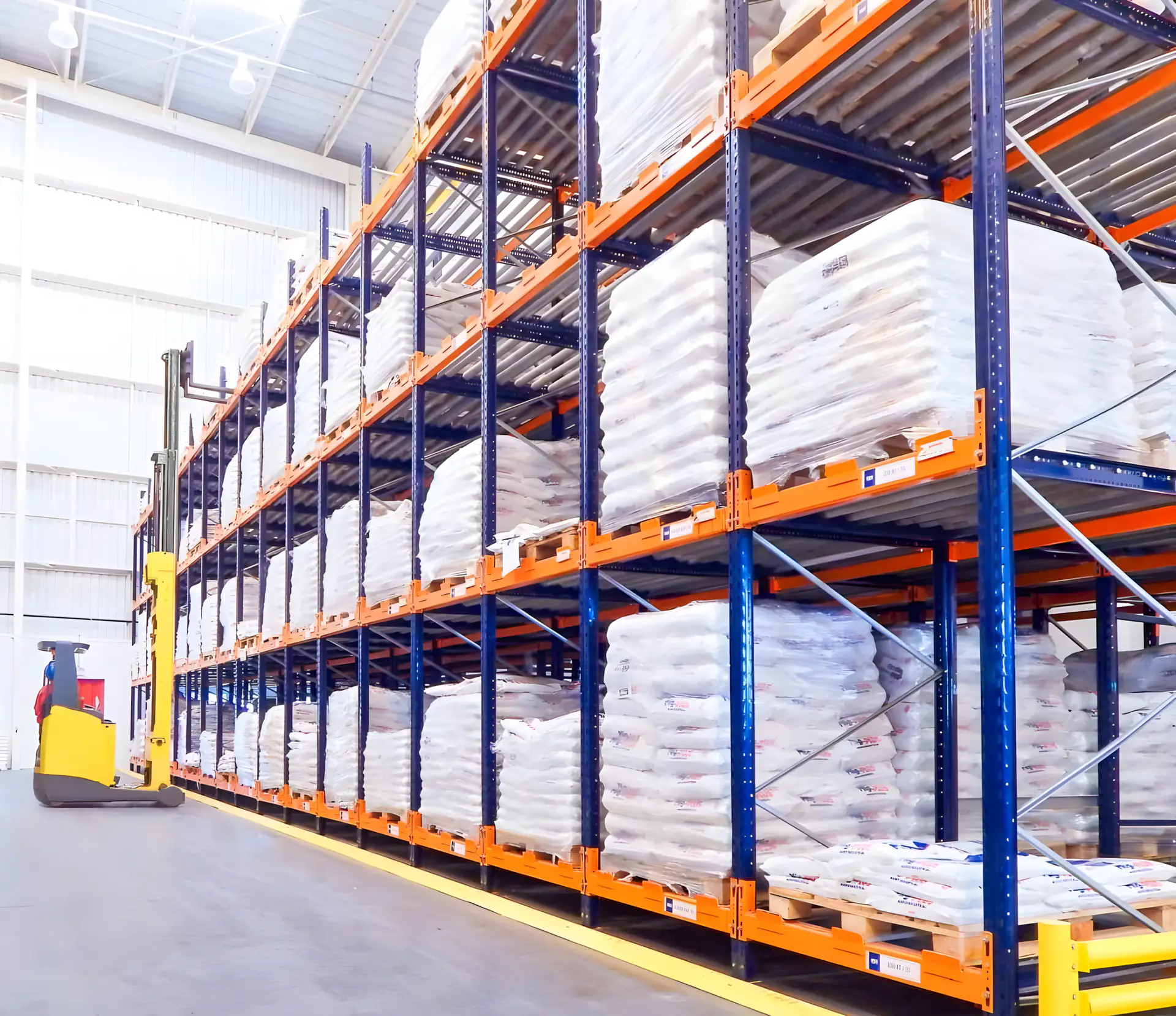
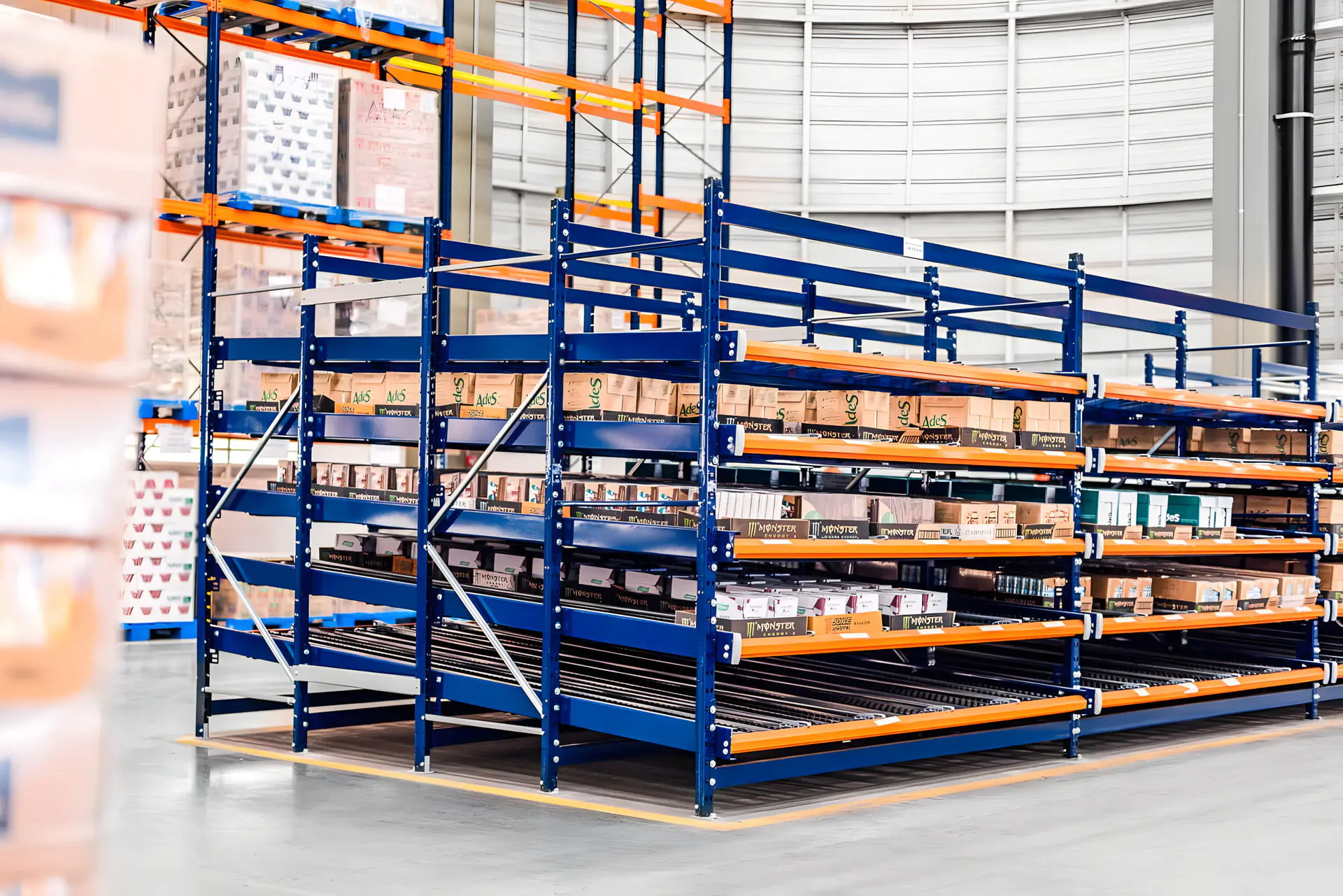
In order to facilitate everything from the entry of products to the dispatch of orders to customers and during the operating process within the self-supporting warehouse, conventional forklifts, trilateral forklifts or any other type available on the market can be used.
This system thus emerges as a response to the need for low cost, focus on results and reduced start-up time. Reliable and efficient, the Bertolini self-supporting system makes logistics businesses viable.