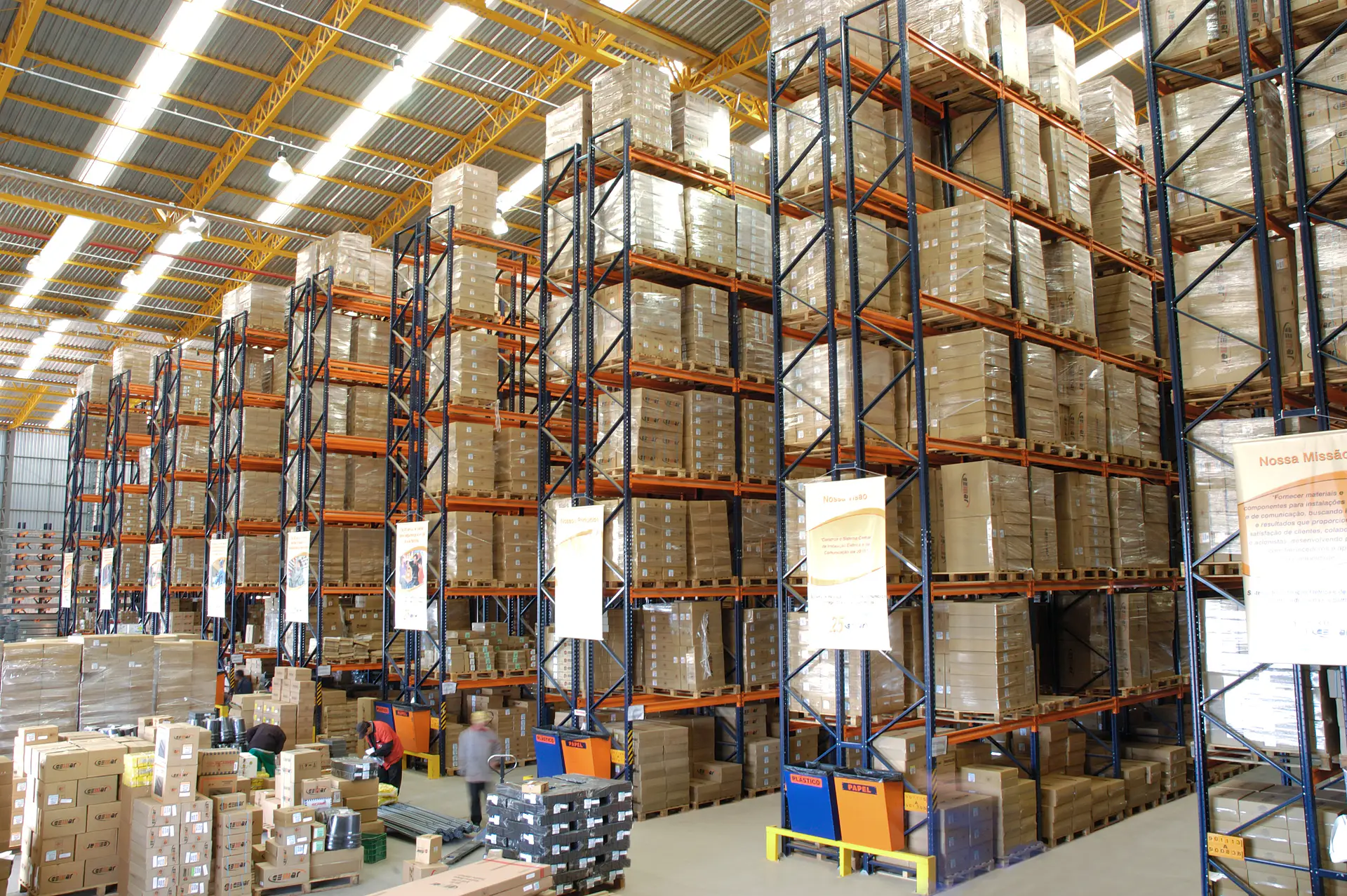
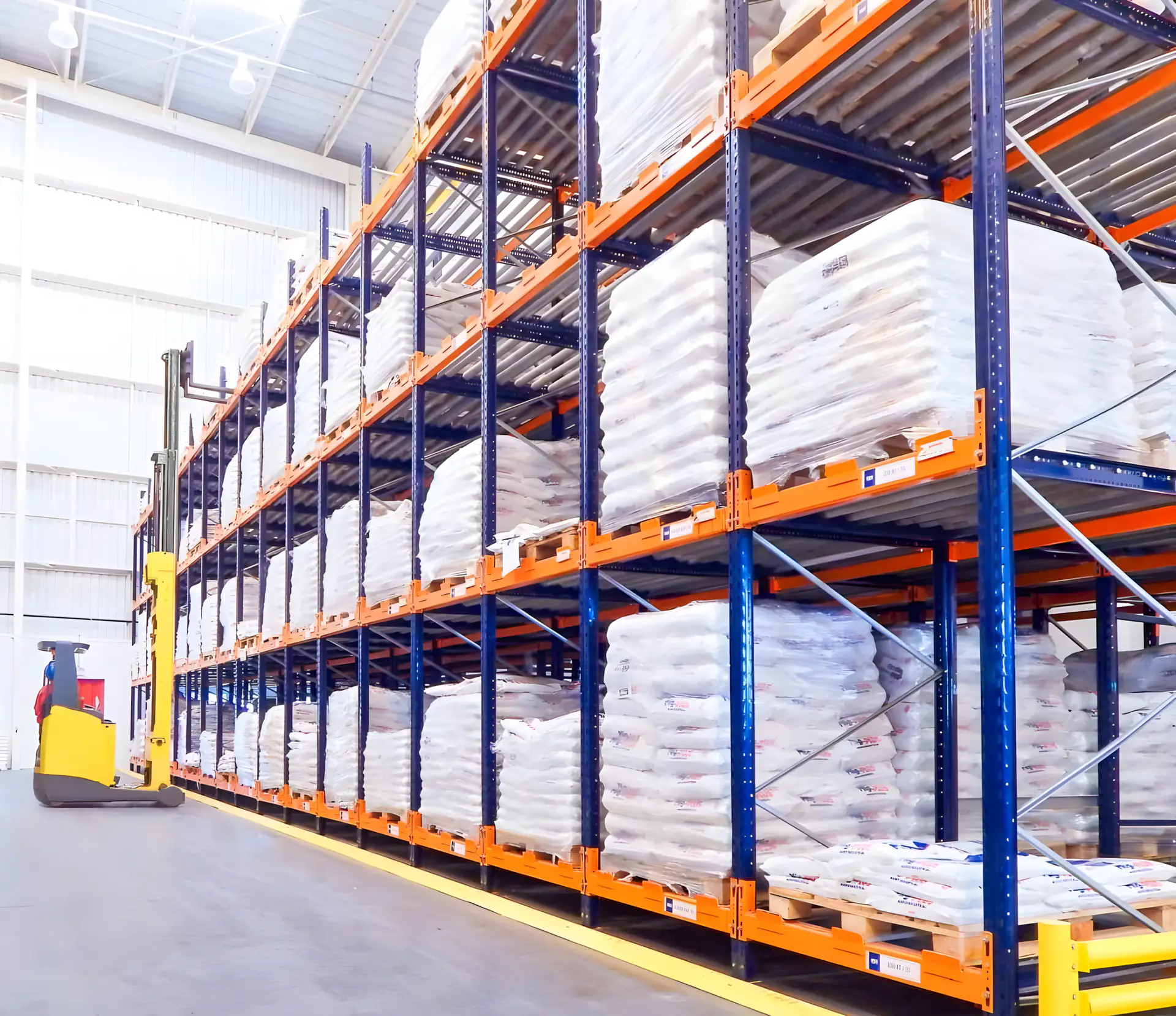
In an increasingly globalized world, where several companies develop their manufacturing activities in a similar way, standing out for efficiency and innovation in the logistics field is a crucial point for those seeking success in a competitive market.
Logistics is known for being a broad-ranging field that touches practically all areas of a company. Whether it's organizing the warehouse in general, receiving or dispatching goods, directing them and where they come from, listing customers, and other activities.
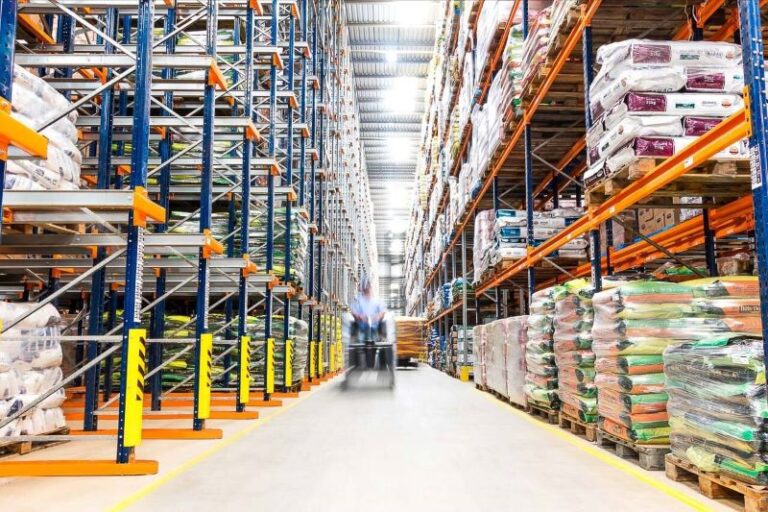
Intralogistics is a field within logistics that implements technology to carry out activities that go far beyond simply receiving, collecting, sending, mechanizing processes, storing, recovering, packaging and classifying products within a warehouse.
Intralogistics acts directly on logistics planning, systematically ensuring that the entire supply chain is focused on creating value within the warehouse, that is, it values these activities and provides employees with greater ease when carrying them out.
Thus, intralogistics is renowned for its ability to optimize, automate, integrate and manage the logistics flow of products. It also aims to eliminate unnecessary movements and reduce delivery times, which in turn allows for increased productivity.
With the implementation of intralogistics, the warehouse tends to guarantee benefits such as:
Cost reduction
It reduces costs because it allows managers to optimize the workflow, visualizing and coordinating steps in an intelligent and cohesive way. As activities undergo a transformation, that is, efforts tend to decrease, expenses automatically decrease.
Increased productivity
The concept of intralogistics aims to increase productivity in a practical way, that is, it designs the development of activities within the warehouse in order to make the most of resources such as labor, machinery, among other processes that are important for the development of activities.
Of course, each company has its own way of implementing it, so planning is essential.
Greater competitiveness
If all the previous steps are in compliance, developed and executed correctly and assertively, the company will consequently be in a more favorable position in the market.
So far we have talked about intralogistics in a general and broad way, but to truly understand the concept and its importance to the market, it is also essential to understand how it works. Check it out below!
As its main objective, intralogistics appears on the market in order to connect internal areas of companies, optimizing the automation and movement of products, as well as meeting internal warehouse demands. To this end, it acts directly on the movement and automation processes.
Find out how movement processes occur in companies in the field of intralogistics:
– First movement
When receiving materials, these products need to be stored in stock according to the registration received.
– Second movement
Once received and forwarded to the correct stock, the goods must be sent to production or to the areas responsible for separating orders.
– Third movement
To complete the cycle, the merchandise is moved ready to be shipped and loaded onto the vehicle.
It is worth mentioning that technology is included in all three of these movement stages, making its use essential.
When we talk about movement, the first benefit that comes to mind is cost reduction. This is because intralogistics aims to eliminate unnecessary movements and reduce delivery times, which allows for an increase in productivity.
We know that intralogistics is a field of logistics that adds value to companies, provides a range of automated products to ensure the execution of tasks and that, when well applied, can revolutionize a company in the market.
Find out more about intralogistics products now:
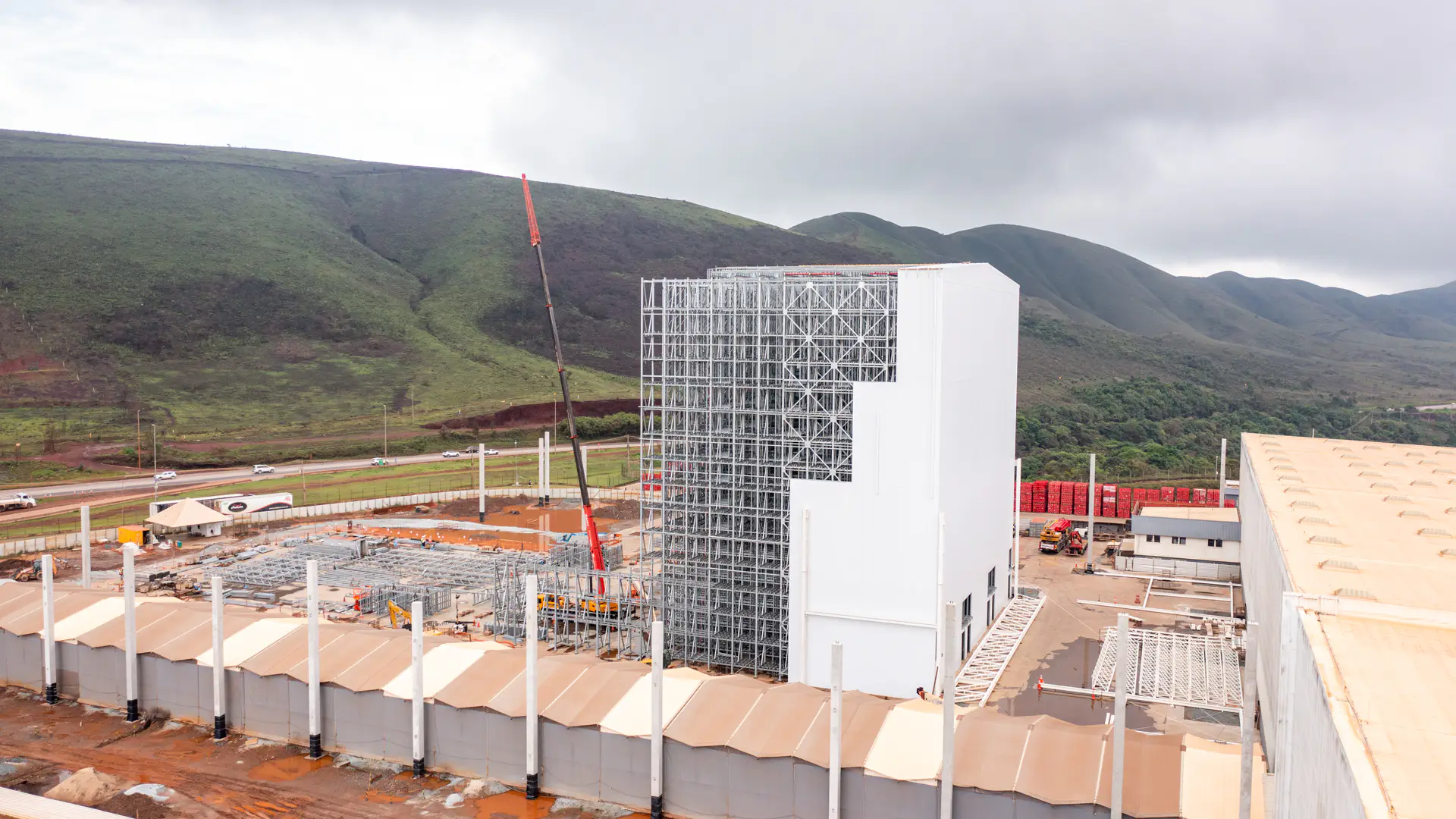
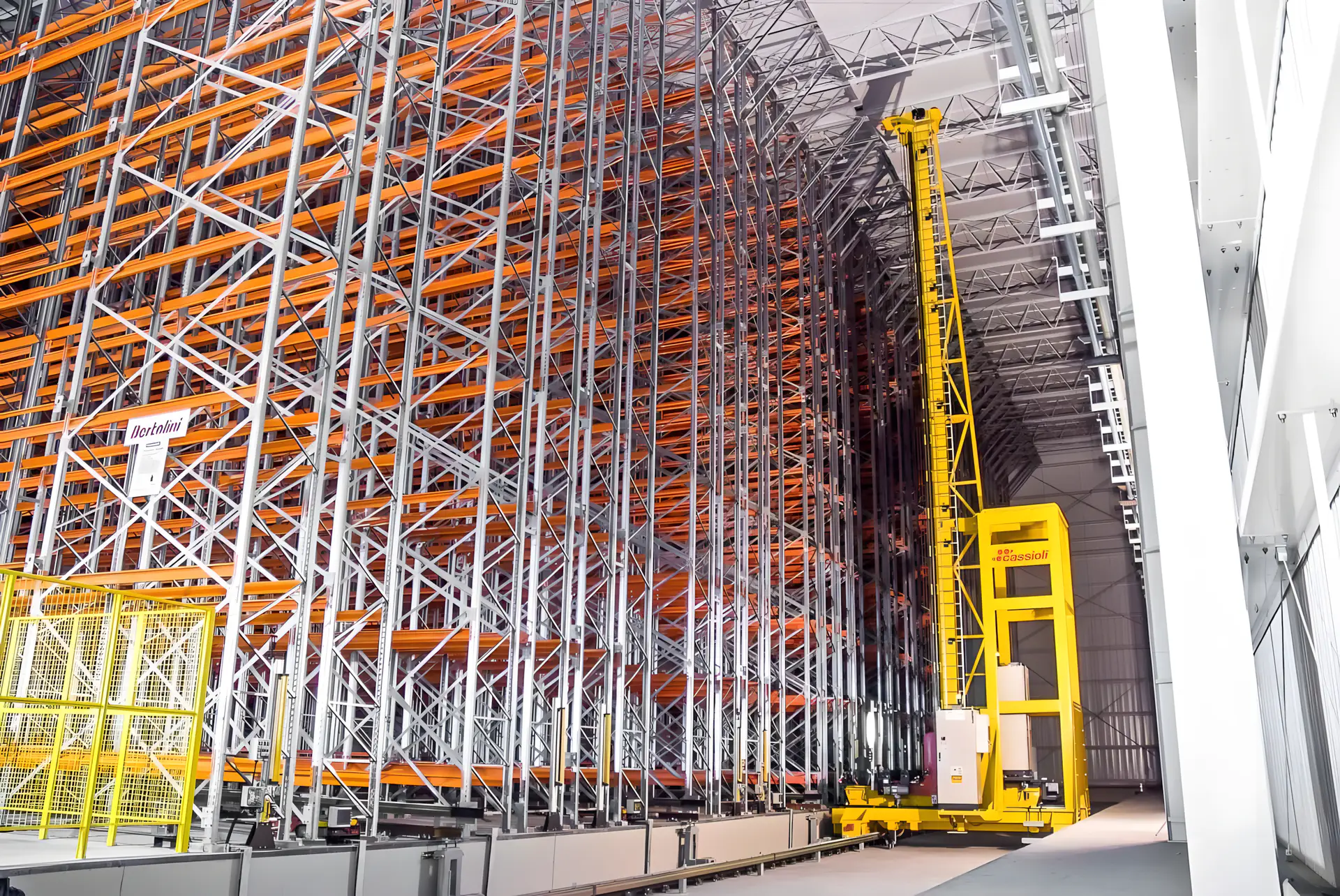
Stacker crane
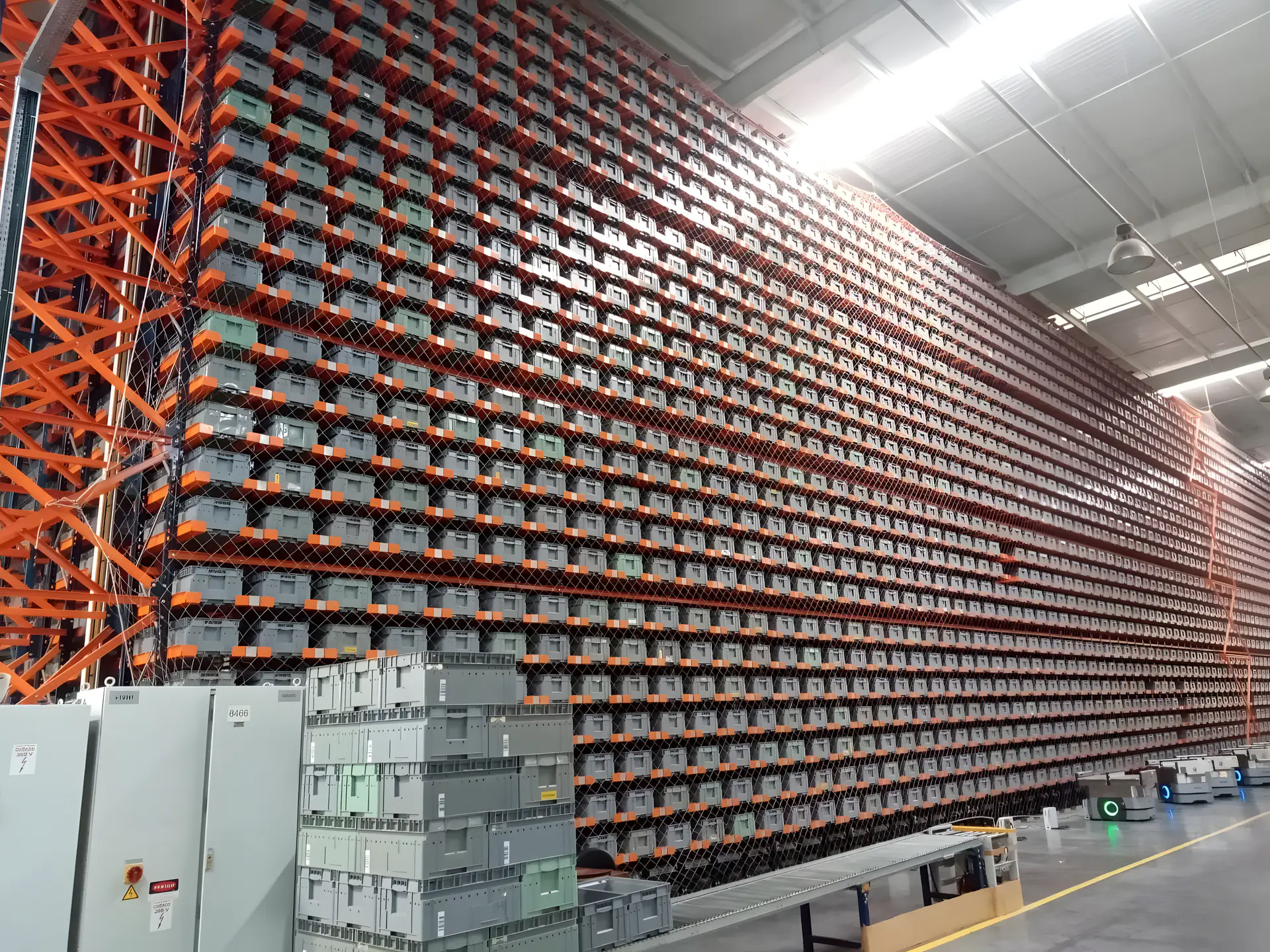
The Transelevalor system is a structure that automatically moves and stores palletized goods (Unit Load) or in boxes (Miniloads), integrated with the WMS (Warehouse Management System) software.
Its operation is carried out using logistics techniques that provide the best use of available space in warehouses, reduce the use of forklifts and reduce storage errors. Combined with automatic handling, it adds a positive cost-benefit ratio for companies.
Its functions allow warehouse entry and exit operations to be carried out through optimized programming of dedicated software, called WCS, which results in reduced operational time, increased productivity and assertiveness within the warehouse, as well as economic positioning.
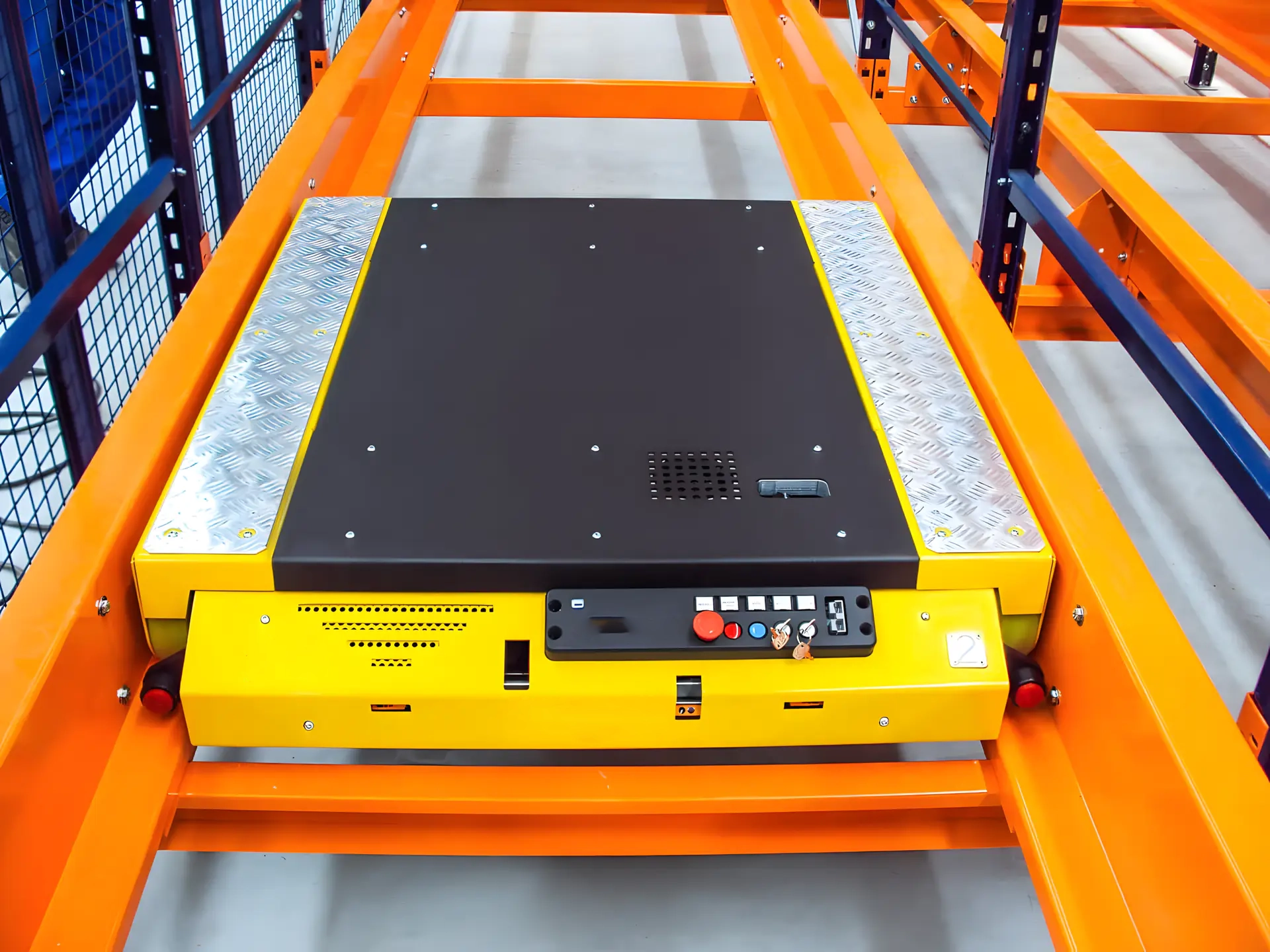
Satellite Car
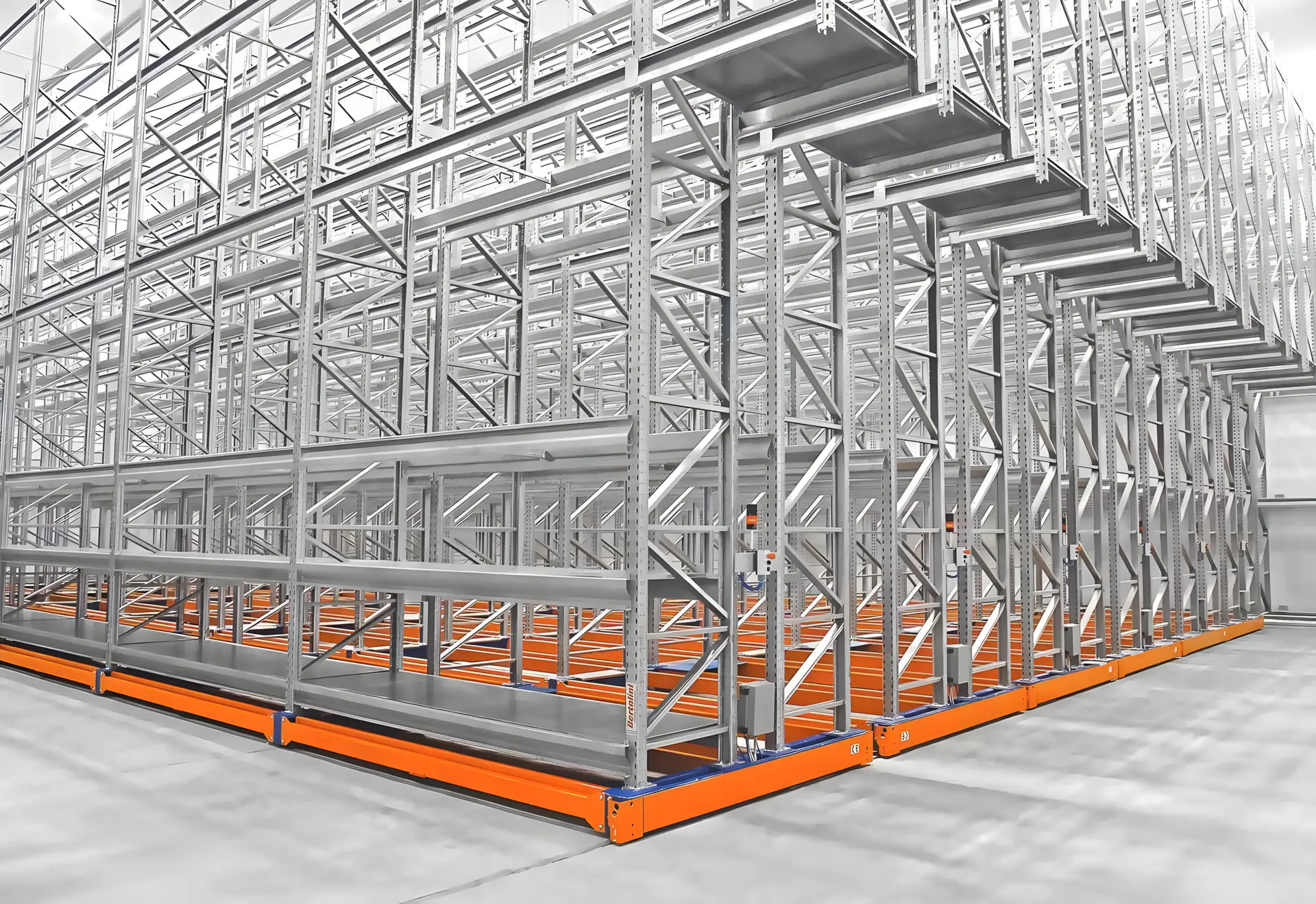
The Satellite Car system is a logistics tool that operates in the automated storage of pallets at multiple depths through intelligent procedures.
As it is a fully automated solution, this system feeds and/or removes goods through a process called AS/RS – Automated Storage / Retrieval System.
Where the automatic car moves the pallets in the structure, placing or removing them according to information it receives from the forklift operator or the WMS, as it allows integration with this type of system.
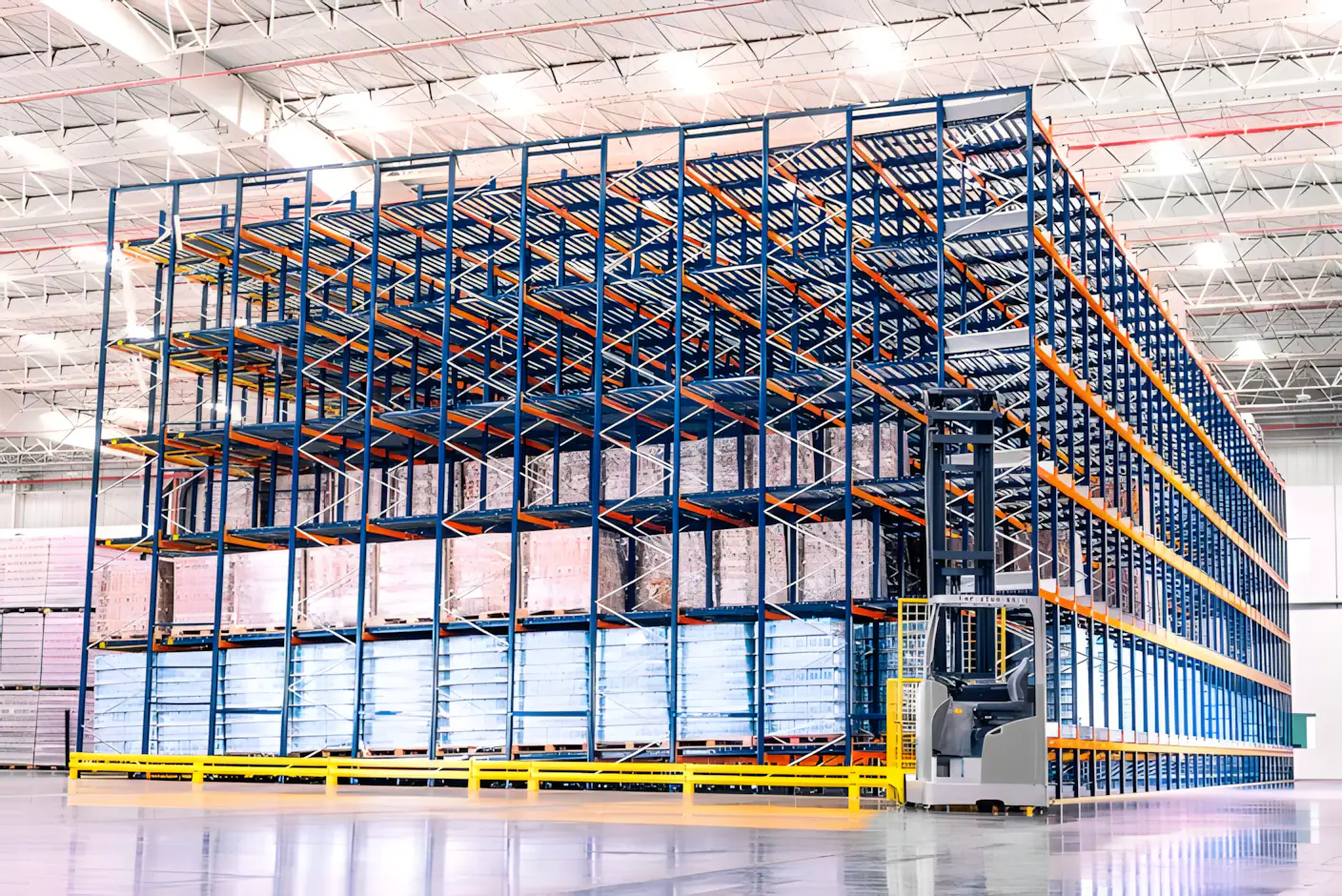
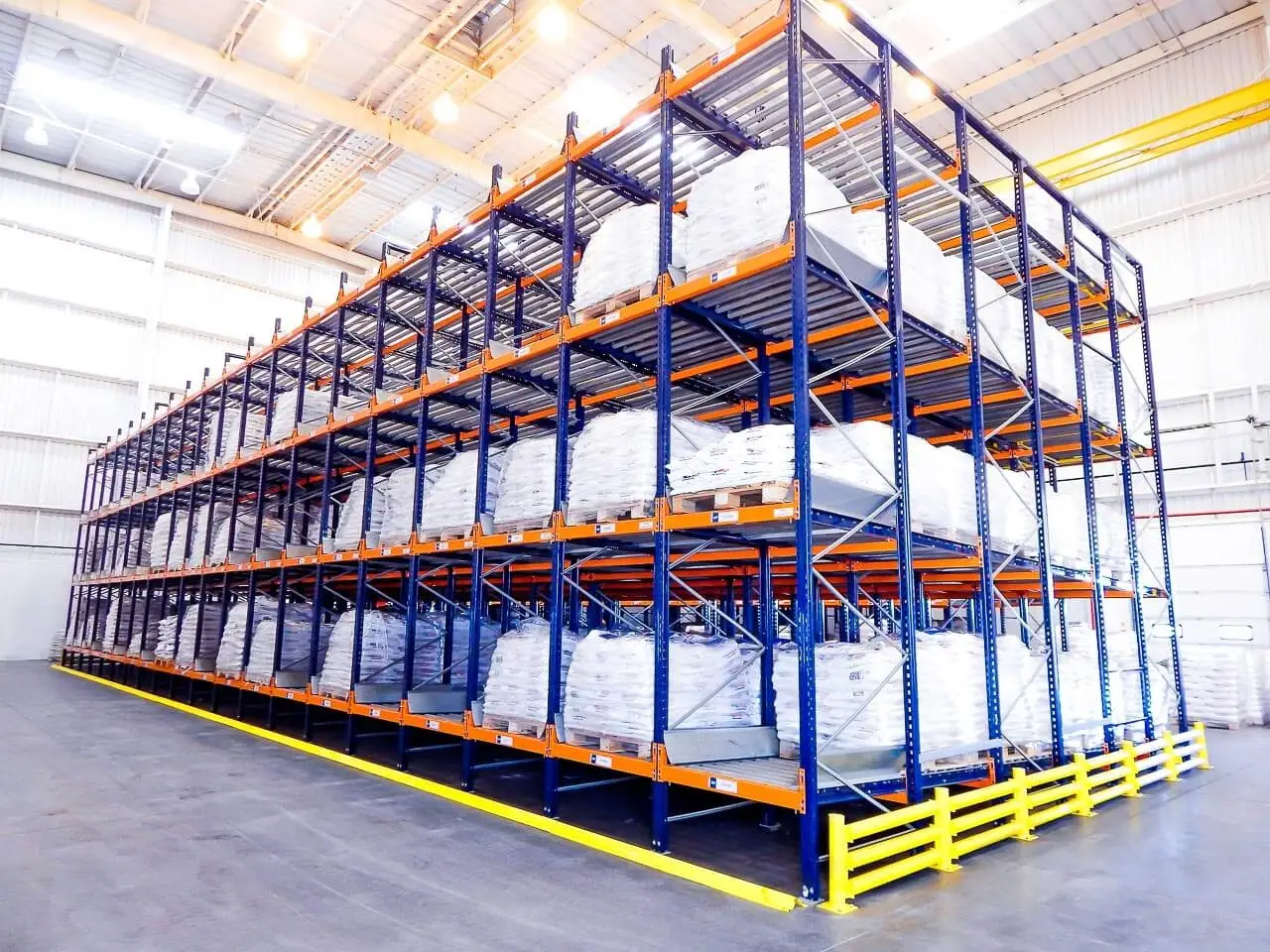
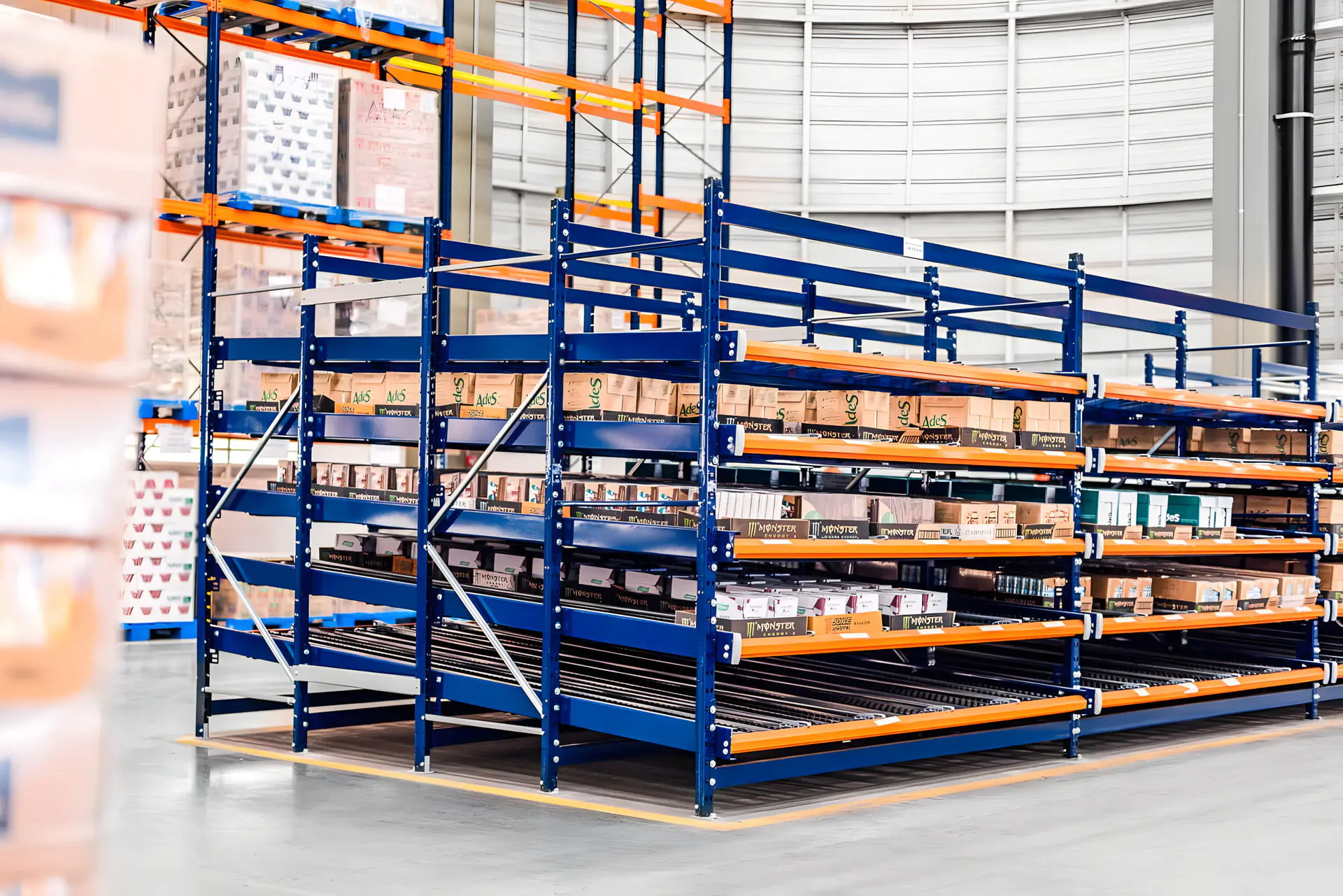
Being an excellent alternative for insertion into conventional storage systems such as: Drive-In, Dynamic and Push Back.
Mats
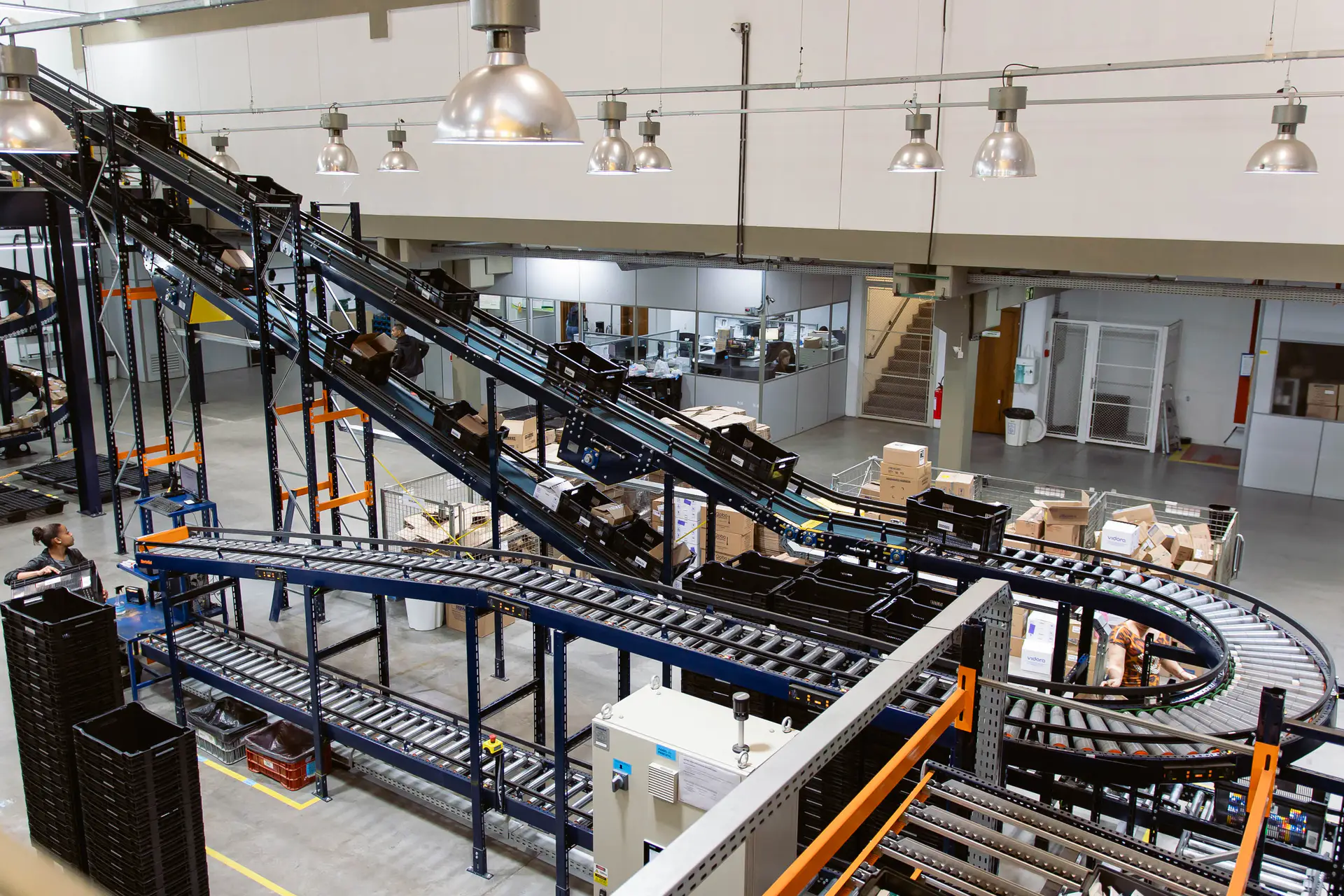
Conveyor belts are important equipment that are always present in an intralogistics solution for a distribution center, whether in simple movements or in the separation of orders for fractional and closed boxes.
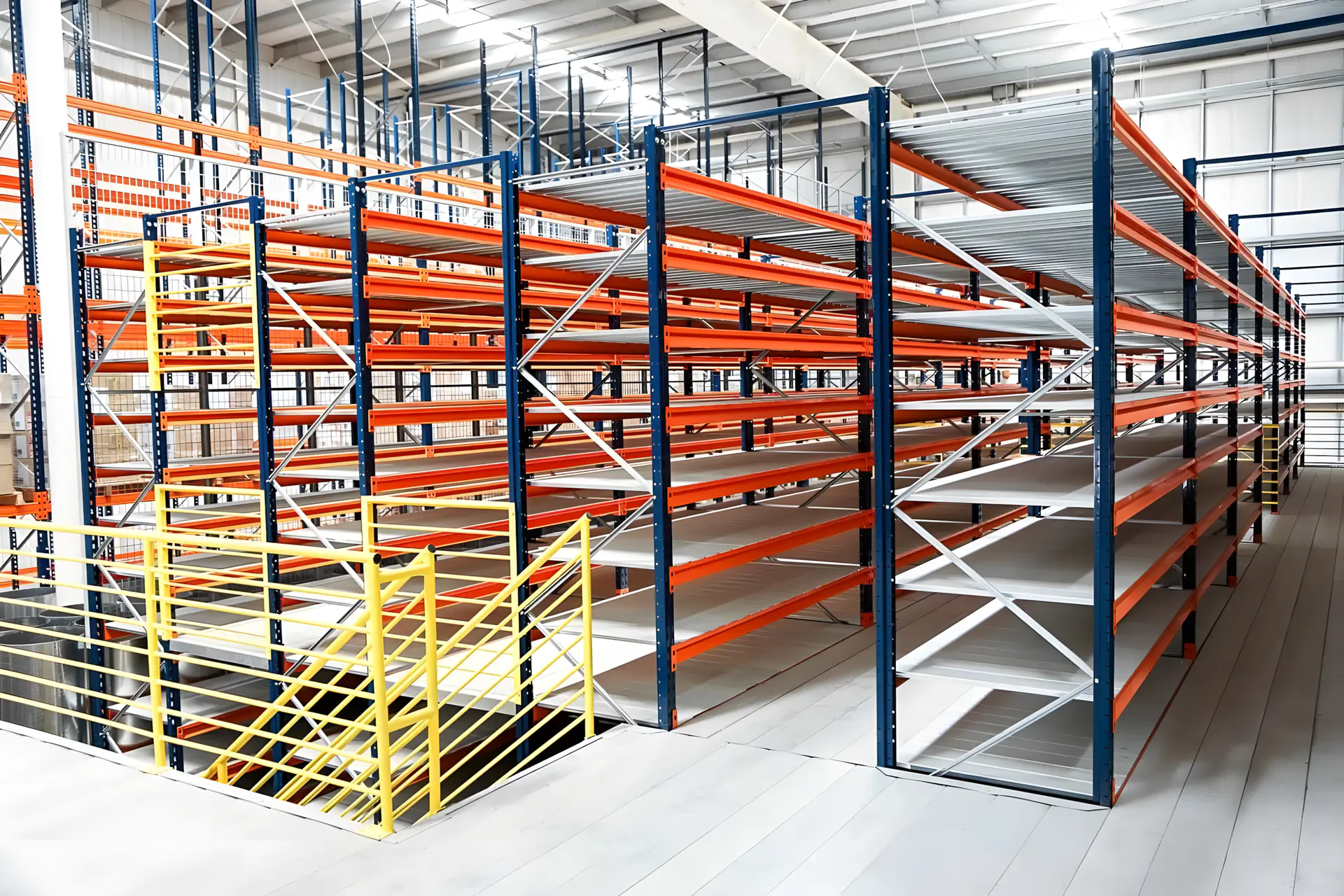
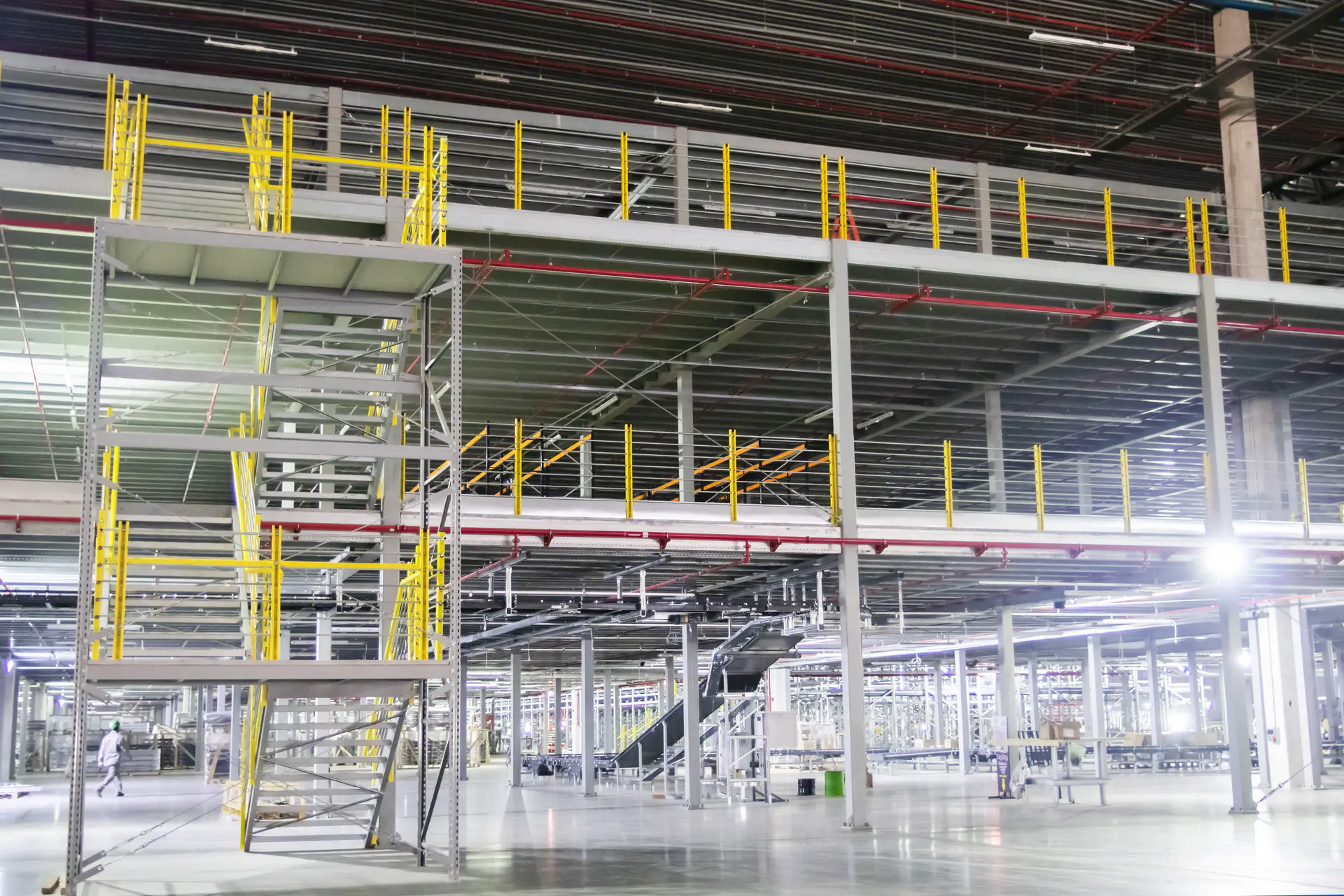
They can be used in multi-level areas where they combine elements of mezzanines, platforms and flow racks. This equipment can optimize processes, taking into account the following factors:
– Minimize travel,
– Grouped separation: multiple orders can be separated as a single order, reducing travel time and being separated (sorted) later with agility in the process,
– Increased productivity,
– High precision (Accuracy),
– Increased competitiveness (Reduced collection costs, increased stock turnover and reduced waste),
– Orders are separated independently or in parallel in different areas and/or storage and handling equipment, needing to be grouped later for packaging,
– Products can be moved between different areas, levels and buildings,
– Complete orders need to be sequenced before loading, e.g. sorted by carrier, weight or delivery sequence,
– Cross docking operation, as in the retail industry, for example.
Pick by light
It is an intuitive system that uses visual and colored indicators, which is quick to learn, and where the operator's hands are kept free and they do not need to handle any equipment. With this technology, picking errors can be practically eliminated, enabling operational gains.
There are two possibilities for using this technology, using the “Person-to-goood” and “Good-to-person” concepts.
– Person-to-Goods station, where the operator moves to the object,
– Goods-to-Person station, where the object moves to the operator.
What differentiates the concepts are the levels of man/hour performance in the separation operation, where an operator can reach 300 and 800 lines per man/hour.
Also understand how technology optimizes the application of intralogistics
Technology has proven to be very efficient in the application of intralogistics processes, providing efficiency and precision to internal processes.
Currently, the use of inventory management software such as WMS is increasingly present in warehouses, as well as the use of robots to perform certain activities such as moving and separating products, greatly optimizing processes.
Another positive step that technology has provided us with was the arrival of the Internet of Things (IoT), further revolutionizing the market and adding value to intralogistics.
Always being aware of what the global market is offering in terms of technology is of utmost importance to maintain progress within your warehouse.
And you, are you looking to stand out in the market?
So get to know Bertolini Storage Systems and everything we can offer your company!